
NVIDIA’s RTX Spark Is Making Headlines, But Windows on ARM Started Long Before It
Just a few years ago, the idea of an ARM-based processor outperforming traditional x86 chips seemed unlikely. AMD and Intel dominated the PC market, and ARM was mostly associated with smartphones and tablets.
That began to change when a new generation of ARM processors arrived for Windows PCs. These chips showed that ARM could compete directly with traditional desktop and laptop processors while also delivering impressive battery life and efficiency.
However, powerful hardware alone wasn’t enough. A major challenge was software compatibility. Most Windows applications were built for x86 and x64 processors, not ARM.
To solve this, Windows introduced a compatibility layer that allows many existing applications to run on ARM-based systems without requiring developers to rewrite their software. While native ARM applications still perform better, this technology made it possible for users to continue using most of their favorite programs without major issues.
At the same time, Windows received several optimizations designed specifically for ARM devices, including improvements to power management, task scheduling, and overall system efficiency. These changes helped ARM-powered laptops deliver strong performance while maintaining excellent battery life.
Over the past few years, the Windows ARM ecosystem has matured significantly. Many popular applications now run natively on ARM, providing better speed, responsiveness, and efficiency than their emulated versions.
For most users today, nearly all everyday applications work smoothly on Windows ARM devices. In many cases, people can use these systems for work, school, entertainment, and even gaming without noticing any major compatibility problems.
Now, the next phase of the ARM transition is beginning.
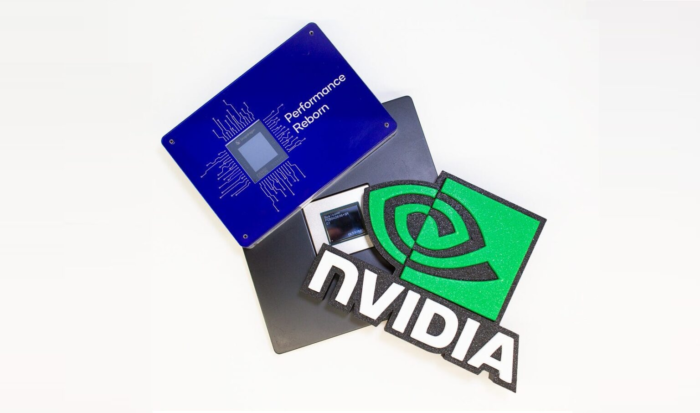
At Computex 2026, NVIDIA introduced RTX Spark, a new ARM-based system-on-chip designed to compete not only with existing ARM processors but also with traditional offerings from AMD and Intel.
Developed in partnership with MediaTek, RTX Spark combines an ARM-based CPU with a powerful Blackwell-based RTX GPU. The hardware is closely related to technology previously used in AI-focused systems, but this version is designed to run Windows and target mainstream users.
Alongside the hardware announcement, improvements to Windows were also revealed, including new workload scheduling optimizations that could benefit a wide range of processors.
Software developers are increasingly embracing Windows on ARM as well. More applications are receiving native ARM versions, and support for previously incompatible technologies—such as certain anti-cheat systems used in games—is steadily improving.
Greater competition in the ARM PC market is good news for consumers. More hardware options encourage software developers to optimize their applications, resulting in better performance and compatibility across the platform.
Gaming could be one of the biggest areas to benefit. As support for anti-cheat software improves and powerful ARM-based chips gain stronger graphics capabilities, Windows ARM systems may become increasingly attractive for users who want a single device for both productivity and gaming.
Overall, the future of Windows on ARM looks promising. While new products like RTX Spark are generating excitement, they are building on years of progress that helped establish ARM as a serious platform for Windows PCs.