
Windows 10 (version 21H1)
Windows 10 version 21H1 (the May 2021 Update) was released on May 18, 2021. It follows version 20H2, which followed version 2004. It is a small, scoped update that shares its core system files with 2004 and 20H2, so it is installed like a monthly update on those versions.

IMPORTANT: Windows 10 21H1 is no longer supported. Microsoft ended servicing for version 21H1 on December 13, 2022, and support for Windows 10 as a whole ended on October 14, 2025. A fresh install from this ISO has none of the security updates released since then. Use it only when you specifically need this build, for example in a test machine or virtual machine. For everyday use, the final release is Windows 10 22H2.
Download Windows 10 21H1 ISO
| File | Windows 10 version 21H1 disc image (ISO) |
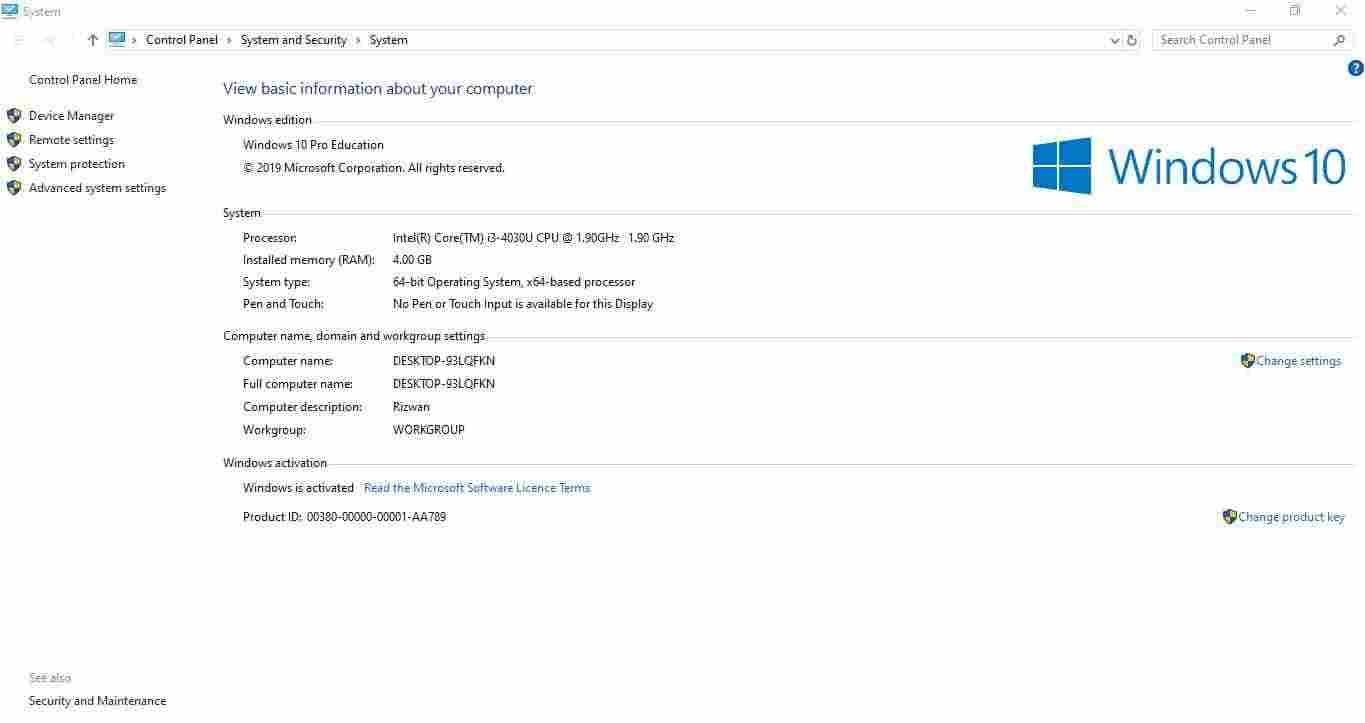
| Version | 21H1, also called the May 2021 Update (OS build 19043) |
| Developer | Microsoft |
| Architecture | 64-bit (x64) and 32-bit (x86), as separate files |
| File size | 64-bit: 5.4 GB 32-bit: 3.8 GB |
| License | A valid Windows 10 license is needed to activate |
Download Windows 10 (21H1) 64-bit ISO (5.4 GB)
Download Windows 10 (21H1) 32-bit ISO (3.8 GB)
Most PCs need the 64-bit file. Choose 32-bit only if the processor or the existing Windows installation is 32-bit. The 64-bit ISO is larger than a single-layer DVD (4.7 GB), so use a USB drive or a dual-layer DVD. These ISOs are for x86 and x64 PCs, not ARM-based devices.
Microsoft’s Media Creation Tool and Windows Update now provide Windows 10 22H2, not 21H1, so this page is the place to look if you need this exact version. Windowstan also has a page for each edition:
| Windows 10 Home | Windows 10 Home ISO |
| Windows 10 Pro | Windows 10 Pro ISO |
| Windows 10 Enterprise | Windows 10 Enterprise ISO |
| Windows 10 Education | Windows 10 Education ISO |
What’s new in 21H1
Microsoft described 21H1 as a scoped release focused on security, remote access and quality. Its new features were limited to:
- Windows Hello multi-camera support, which lets an external camera be the default when both external and built-in Windows Hello cameras are present.
- Performance improvements for Windows Defender Application Guard, including faster document opening.
- Faster Group Policy updates through the WMI Group Policy Service, aimed at remote work.
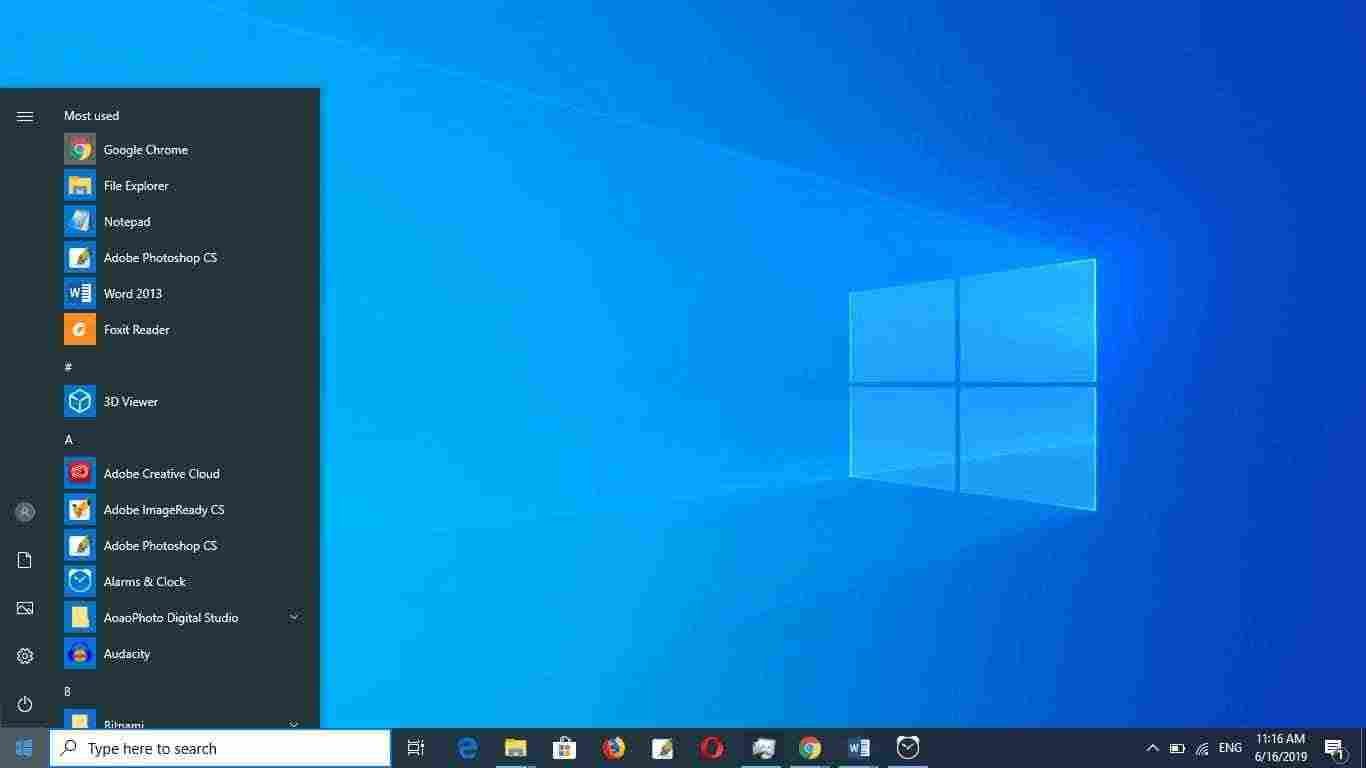
Everything else people associate with Windows 10 came from earlier releases and is present in 21H1. That includes the light theme, Windows Sandbox (Pro, Enterprise and Education only), reserved storage, Search separated from Cortana, and the option to uninstall more built-in apps, all added in version 1903. The Start menu, Task View, Action Center, Settings app, DirectX 12 and the Xbox Game Bar are part of it too, along with the Chromium-based Microsoft Edge and Microsoft Defender Antivirus. Cortana is included in this build, but Microsoft has since stopped supporting it as a standalone Windows app.
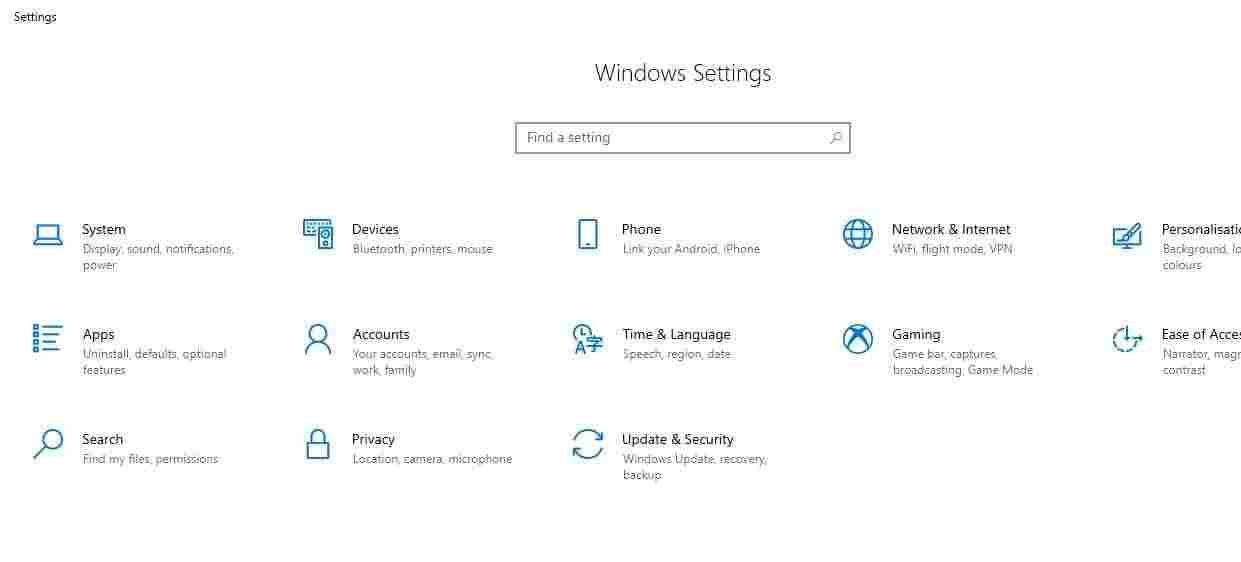
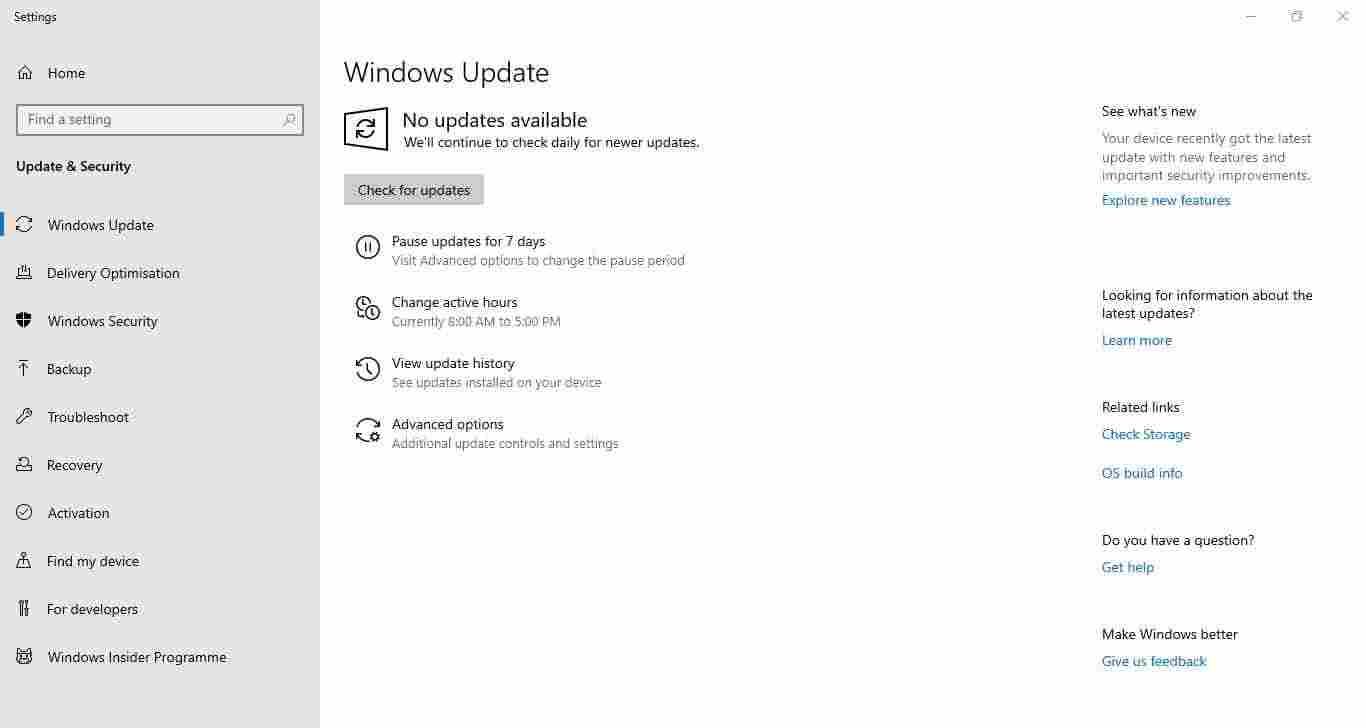
Windows 10 screenshots
System requirements
| Processor | 1 GHz or faster |
| RAM | 1 GB (32-bit) or 2 GB (64-bit) |
| Storage | 16 GB (32-bit) or 32 GB (64-bit) |
| Graphics | DirectX 9 or later with a WDDM 1.0 driver |
| Display | 800 × 600 |
These are Microsoft’s minimums for Windows 10. The 32-bit version can use at most 4 GB of RAM, and you cannot upgrade 32-bit Windows to 64-bit without a clean install.
Windows 10 editions
| Edition | Suited to | Maximum RAM (64-bit) |
| Home | Everyday personal use | 128 GB |
| Pro | Power users and small businesses. Adds BitLocker, Hyper-V, Remote Desktop hosting, domain join, the Group Policy Editor and Windows Sandbox | 2 TB |
| Enterprise | Managed organizations. Adds tools such as AppLocker and Credential Guard, and needs a volume license or subscription | 6 TB |
| Education | Schools and universities. Features closely follow Enterprise, licensed through Microsoft’s academic volume licensing | 2 TB |
Every 32-bit edition is limited to 4 GB of RAM. Enterprise LTSC and other special editions are not part of the regular release and are not covered here. There is no Ultimate edition of Windows 10, just as there was none for Windows 8. That name belonged to earlier releases such as Windows 7 Ultimate.
How to install Windows 10 21H1
Write the ISO to a USB drive of at least 8 GB with Rufus. The drive is erased, so back it up first, and back up anything important on the PC you are installing to.
- Plug in the USB drive, restart the PC and open the boot menu. The key varies by manufacturer (F12, F10, F9 and Esc are common). Select the USB drive, and press a key if the screen says “Press any key to boot from USB or DVD”.
- Choose your language, time and currency format, and keyboard layout, then select Next and Install now.
- Enter a product key, or select I don’t have a product key to activate later. If you skip the key, Setup asks which edition to install. Pick the edition your license covers.
- Accept the license terms and choose Custom: Install Windows only (advanced) for a clean install. The Upgrade option only works when Setup is started from inside Windows.
- Select the drive or partition to install to. Deleting or formatting a partition erases its data.
- Setup copies files and restarts several times. If the PC returns to the installer, unplug the USB drive. Finally, follow the first-run screens for region, keyboard, network and account.
To upgrade an existing installation instead, mount the ISO in Windows and run setup.exe, using an ISO with the same architecture, language and edition as the installed Windows. The same ISO works in VirtualBox or VMware: create a new virtual machine, select the ISO as the installation disc and follow the same steps. See the full installation guide for more detail.
After installing, run Windows Update. PCs on 21H1 can move to 22H2 through a small enablement package. Microsoft’s Extended Security Updates program requires version 22H2, so a PC on 21H1 is not eligible until it has been updated.
Licensing and activation
The ISO is only the installation media and does not include a license. Windows 10 can be installed without a product key, but an unactivated copy has restrictions such as limited personalization. Each PC needs its own license, and Enterprise and Education need a volume license or subscription. Avoid third-party activation tools and cracks. They are unlicensed and a common way for malware to spread.