Parallels Desktop Business Edition for Mac Free Download (Latest Version)

Parallels Desktop logo

Parallels Desktop Business Edition for Mac

Download Parallels Desktop Business Edition for Mac with the full .dmg file, direct download link, and original file. Run Windows applications alongside macOS with seamless virtualization, centralized IT management, secure deployment controls, file sharing, and cross-platform testing tools. Optimized for Apple Silicon and Intel Macs, Parallels Desktop Business Edition helps businesses, developers, and teams manage mixed Mac and Windows environments efficiently.

210 MB

Updated on: July 18, 2026

Language: English

OS: macOS

Version: Latest

License: Free Full Version

File Size: 210 MB

Parallels Desktop Business Edition Free Download for Mac

There’s always that one Windows-only application standing between a company and going fully Mac — a legacy accounting tool, a client’s proprietary software, an internal system nobody’s rebuilt for macOS. Parallels Desktop Business Edition exists to remove that blocker entirely, letting Windows applications run right alongside native Mac apps without rebooting into a separate operating system every time you need them.

What makes the Business Edition specifically relevant for organizations rather than individual users is the management layer on top: centralized deployment, user access controls, and license management that let an IT team roll out and maintain Windows virtual machines across a whole fleet of Macs, rather than configuring each one by hand. Whether you’re a developer testing cross-platform compatibility or a business running mixed Mac and Windows environments, Parallels Desktop is built to make that coexistence genuinely seamless.
Overview

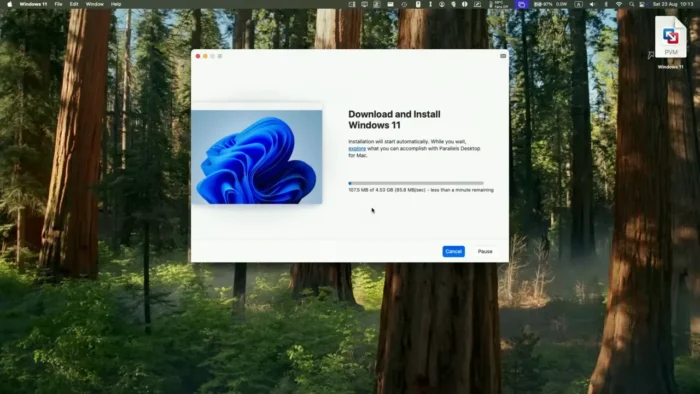
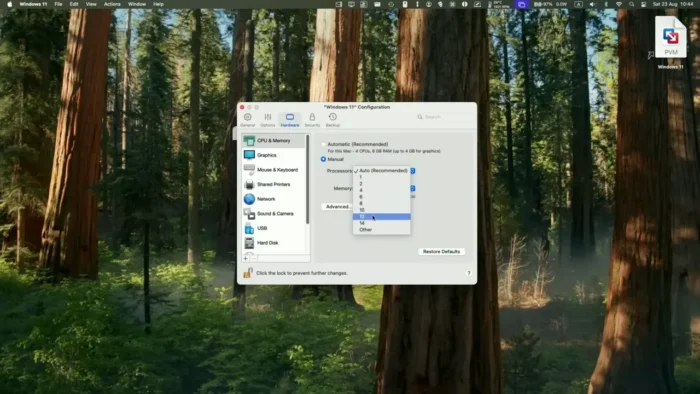
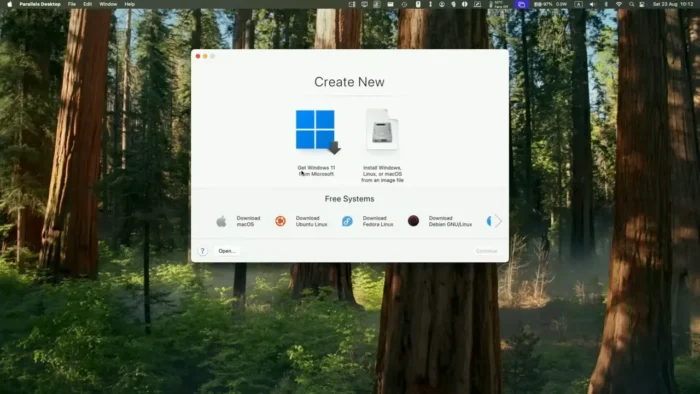
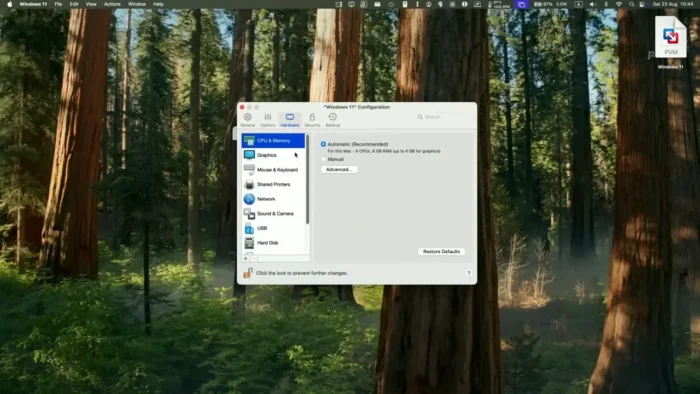
Parallels Desktop Business Edition is a virtualization platform that runs Windows (and other operating systems) as virtual machines directly inside macOS, without requiring a restart to switch between environments.

  • Purpose: Run Windows applications and other operating systems alongside macOS, with business-grade management tools
  • Main workflow: Create a virtual machine → install Windows or another OS → run applications alongside native Mac software → manage deployments centrally
  • Ideal users: Businesses with mixed Mac/Windows environments, IT administrators, developers, and testing teams
  • OS support: Windows, various Linux distributions, and other supported operating systems as virtual machines
  • Major strength: Genuine seamless integration between macOS and Windows, plus centralized administration tools built specifically for organizational deployment

Key Features

  • Run Windows Applications Without Rebooting – Windows-only software runs directly alongside native Mac applications, so switching to a Windows tool doesn’t mean losing access to everything else you’re working on in macOS.
  • Multiple Operating System Support – Beyond Windows, create and manage virtual machines running various Linux distributions and other supported operating systems, useful for developers testing across platforms.
  • Seamless macOS–Windows Integration – Copy and paste between systems, share files and folders, and open Windows files directly with Mac applications, which removes the friction usually associated with running two separate operating systems.
  • Centralized Virtual Machine Management – Business users get administration tools for configuring, deploying, and maintaining virtual machines across an organization, rather than manually setting up each Mac individually.
  • Business Security Controls – Secure user access, virtual machine restrictions, and centralized license management give IT departments actual control over how virtual environments are used across the company.
  • Developer and Testing Environments – Spin up isolated virtual machines for software testing, cross-platform compatibility checks, or OS-specific development work without needing separate physical machines.
  • Hardware-Accelerated Performance – Support for modern hardware acceleration keeps demanding applications running smoothly inside the virtual machine rather than feeling sluggish compared to native software.
  • Graphics and Peripheral Support – DirectX and OpenGL compatibility, plus support for USB devices, printers, and other connected hardware, so specialized Windows software and peripherals continue working as expected.
  • Migration Tools – Built-in tools to move documents, applications, settings, and user data from an existing Windows environment onto the Mac-based virtual machine, easing the transition for new deployments.
  • Enterprise Administration Tools – Centralized deployment and configuration tools make it practical for IT departments to manage many Mac devices running virtual machines at once.

System Requirements

ComponentRequirement
Operating SystemmacOS 10.12 or later
ProcessorApple Silicon or Intel
RAMSufficient to run macOS and virtual machines simultaneously (more RAM supports smoother multitasking)
StorageAdequate free space for virtual machine files and guest operating systems
InternetRequired for activation, updates, and online services

Actual RAM and storage needs scale with how many virtual machines you run and which guest operating system and applications they host — heavier Windows workloads need correspondingly more resources set aside.


Pros

  • Run Windows and macOS applications simultaneously without rebooting
  • Genuinely smooth file sharing and copy-paste integration between operating systems
  • Strong business management tools for centralized deployment across an organization
  • Supports multiple guest operating systems, not just Windows
  • Useful, isolated environments for development and cross-platform testing
  • Professional security controls suited to IT-managed environments

Cons

  • Running virtual machines consumes real system resources, so overall Mac performance depends on available RAM and storage
  • Best suited to users who need regular, ongoing access to Windows applications rather than occasional use
  • Performance for demanding workloads depends heavily on the host Mac’s hardware specifications
  • Business-grade management features require some IT setup and configuration to use effectively

Who Should Use Parallels Desktop Business Edition?

  • Businesses operating in mixed Mac and Windows environments
  • IT administrators managing virtual machine deployment across multiple Macs
  • Software developers needing isolated environments for testing and development
  • QA and testing teams checking cross-platform compatibility
  • Designers or professionals who rely on specific Windows-only tools

Parallels Desktop vs Traditional Dual Boot Solutions

Unlike dual-boot setups, which require a full restart and force you to work in one operating system at a time, Parallels Desktop lets you run Windows applications while continuing to work directly inside macOS. For professionals who switch between operating systems frequently throughout the day, that difference translates into a genuinely faster, less disruptive workflow — no lost time waiting for a reboot just to check one Windows-only tool.


Frequently Asked Questions

Is Parallels Desktop Business Edition free? No, it’s commercial software licensed for business use. Check Parallels’ official site for current pricing and trial availability.

Does Parallels Desktop run natively on Apple Silicon Macs? Yes, it supports both Apple Silicon and Intel-based Mac systems.

Can I run operating systems other than Windows? Yes, Parallels Desktop supports various Linux distributions and other operating systems as virtual machines, in addition to Windows.

Do I need to restart my Mac to use Windows applications? No — that’s the core advantage over dual-boot setups. Windows applications run alongside native macOS applications without rebooting.

Can I share files between macOS and the Windows virtual machine? Yes, copy-paste and file/folder sharing between the two environments is built in.

Is Parallels Desktop suitable for IT-managed business deployments? Yes, the Business Edition specifically includes centralized administration, user access controls, and license management designed for organizational use.

How much RAM do I need to run Parallels Desktop smoothly? Enough to comfortably run macOS and your virtual machines at the same time — the more demanding your Windows workload, the more RAM you should allocate.

Can Parallels Desktop be used for software development and testing? Yes, it’s commonly used to create isolated environments for cross-platform testing, OS-specific development, and compatibility checks.


Final Verdict

Parallels Desktop Business Edition for Mac solves a genuinely common organizational problem — the need to run Windows-only software without giving up macOS or maintaining separate physical machines. Its seamless integration between operating systems, combined with centralized management tools built specifically for IT departments, makes it a practical choice for businesses running mixed environments.

Individual users with only occasional need for a Windows application might find a lighter solution sufficient, but for organizations, developers, and testing teams that need reliable, ongoing access to Windows applications alongside macOS, Parallels Desktop Business Edition remains one of the most complete virtualization solutions available for Mac.

Changelog

Parallels Desktop 26 for Mac has received a series of updates focused on improving stability, compatibility, security, and virtualization performance across Windows, Linux, and macOS virtual machines. Throughout the 26.x release cycle, the software also introduced new enterprise management tools, expanded support for the latest operating systems, and resolved numerous issues affecting everyday workflows.

Parallels Desktop 26.4.0 (Build 57513)

Windows Virtual Machines

  • Fixed several issues that could cause Windows 11 virtual machines to freeze, crash, or shut down unexpectedly.
  • Resolved a problem where the RSTAB9 Viewer displayed a black screen when opening files.
  • Corrected rendering issues affecting OpenGL-based applications, including Blue Sky Plan and coDiagnostix.
  • Fixed an issue that prevented Microsoft Outlook attachments from opening.

Linux Virtual Machines

  • Fixed an issue in Kali Linux (Xfce) where part of the desktop became unresponsive.

macOS Virtual Machines

  • Restored internet connectivity for macOS Ventura virtual machines using bridged Wi-Fi networking.

Enterprise Edition

  • Added support for distributing Golden Images through Microsoft Azure Storage blobs using short-lived security tokens.
  • Added a new prlsrvctl info –license command to report whether activation uses SSO or a license key.
  • Improved Declarative Deployment by allowing provisioning packages to be applied before user sign-in, simplifying Microsoft Intune enrollment.
  • Updated deployment option descriptions for improved clarity.

Parallels Desktop 26.3.3 (Build 57507)

Windows Virtual Machines

  • Updated Secure Boot keys to the Microsoft 2023 certificate chain for existing Windows 11 virtual machines.

Parallels Desktop 26.3.2 (Build 57398)

Windows Virtual Machines

  • Fixed OpenGL rendering problems on Apple Silicon Macs that caused blank or distorted windows in several professional applications.
  • Restored the ability to open Windows files directly in macOS applications after updating to macOS 26.4.
  • Fixed copy-and-paste issues between Windows virtual machines and the Mac desktop.
  • Corrected problems opening PDF attachments from Windows applications in Preview and Adobe Acrobat on macOS.

Parallels Desktop 26.3.1 (Build 57396)

General

  • Fixed incorrect DNS responses that affected guest virtual machine networking.

Windows Virtual Machines

  • Resolved an issue preventing Steam from launching after updating to version 26.3.0.
  • Updated Secure Boot certificates for newly created Windows virtual machines.

Parallels Desktop 26.3.0 (Build 57392)

General Improvements

  • Fixed Windows 11 installation failures during setup.
  • Corrected inaccurate license expiration warnings after subscription renewal.
  • Expanded the prlctl -i command with additional virtual machine information, including IP addresses, network throttling status, and clone details.

Windows Virtual Machines

  • Updated the default downloadable Windows 11 image to version 25H2.
  • Fixed installation failures, Microsoft Excel menu issues in Coherence mode, Outlook Classic crashes, Git Bash startup failures, and MSYS2 installation problems.
  • Improved stability for graphics-intensive applications and games.
  • Fixed Desktop Window Manager instability that caused crashes and display glitches.
  • Corrected window stacking behavior while using Coherence mode.

Linux Virtual Machines

  • Improved stability for x86 applications running on Apple Silicon Macs.
  • Fixed network connectivity problems when switching network modes.
  • Restored internet access without requiring virtual machine restarts.

macOS Virtual Machines

  • Fixed Parallels Tools installation on macOS Tahoe.
  • Corrected startup failures after upgrading the host Mac.
  • Resolved boot issues affecting encrypted macOS Ventura virtual machines.
  • Fixed folder path reporting for the prlctl list command.

Enterprise Edition

  • Added customizable text for the SSO sign-in window.
  • Improved Declarative Deployment reliability.
  • Fixed leftover temporary ISO files after virtual machine deletion.

Planned Deprecations

Future versions will discontinue several rarely used features, including:

  • Open in Mac for HTTP links
  • Open in Edge Safari extension
  • Share On menu
  • Send with Windows Email App
  • Live Dock screenshots
  • Free Up Disk Space and Reclaim tools
  • SATA location selector
  • Picture in Picture mode
  • Touch Bar support
  • Secondary mouse-click shortcuts
  • Configuration lock icon
  • Virtual printer device
  • Facebook sign-in
  • Virtual machine templates

Parallels Desktop 26.2.2 (Build 57373)

General

  • Fixed an issue preventing available operating systems from loading despite an active internet connection.

Windows Virtual Machines

  • Corrected Japanese keyboard detection.

Enterprise Edition

  • Fixed language and keyboard configuration during unattended deployment using Declarative Deployment.

Parallels Desktop 26.2.1 (Build 57371)

Windows Virtual Machines

  • Fixed QuickBooks Pro Plus 2024 startup issues.
  • Restored window resizing in Coherence mode.
  • Fixed MSI installer launch failures.
  • Restored shared file access between macOS and Windows.
  • Corrected Windows Start menu issues.
  • Improved Windows application folder behavior in the Dock.

Enterprise Edition

  • Fixed policy application problems for Declarative Deployment.
  • Corrected virtual machine deployment limits.

Parallels Desktop 26.2.0 (Build 57363)

General

  • Fixed virtual hard disk resizing during virtual machine creation on Apple Silicon Macs.

Windows Virtual Machines

  • Added support for secure keystroke forwarding used by Dragon Medical One with Epic Hyperspace.
  • Fixed freezes in the game Vampyr.
  • Resolved disappearing Microsoft Office windows in Coherence mode.
  • Fixed false “older version” warnings.
  • Reduced GPU usage spikes.
  • Improved Start menu and Dock integration.

Linux Virtual Machines

  • Improved clipboard responsiveness.
  • Fixed internet connectivity after restarting the host Mac.
  • Improved SmartGuard time synchronization.
  • Added compatibility for Debian 13.

Enterprise Edition

  • Introduced Declarative Deployment for Windows Golden Images.
  • Updated clipboard synchronization policy naming.
  • Fixed USB menu visibility.
  • Corrected drag-and-drop issues under clipboard restrictions.

Parallels Desktop 26.1.2 and 26.1.1

Both updates focused on overall stability and performance improvements.

Parallels Desktop 26.1.0 (Build 57287)

Windows Virtual Machines

  • Fixed Windows 11 crashes caused by Norton 360 scheduled scans.
  • Resolved Bluebeam Revu sign-in issues in Coherence mode.

Linux Virtual Machines

  • Introduced a new driverless version of Parallels Tools for Linux.
  • Added quick installation support for updated Ubuntu, Kali, and Debian releases.
  • Fixed shared drive access, empty shared folders, and internet connectivity issues.

Enterprise Edition

  • Added virtual machine management through the Parallels Management Portal.
  • Added SSO activation support in Single Application Mode.
  • Improved Golden Image downloads from SharePoint.

Parallels Desktop 26.0.1

Focused on general stability and performance improvements.

Parallels Desktop 26.0.0 (Build 57238)

Parallels Desktop 26 introduced broad platform improvements and aligned its version number with Apple’s updated macOS naming.

Major Highlights

  • Added support for macOS Tahoe 26 as both the host operating system and a guest virtual machine.
  • Updated application icons for macOS Tahoe.
  • Improved Windows disk space reporting.
  • Enhanced full-screen application behavior in Coherence mode.
  • Fixed launch issues affecting Persona 5 Royal.
  • Expanded Linux distribution support for both Apple Silicon and Intel Macs.
  • Improved compatibility for Parallels Tools on CentOS 10.

Business and Enterprise Edition

  • Added Jamf script support for managing software updates.
  • Improved Microsoft Intune enrollment by generating unique identifiers for Golden Image deployments.

Removed Features

Version 26 permanently removed support for:

  • Installation on macOS Monterey 12
  • Shared Bluetooth functionality
  • USB and network kernel extensions (kexts)
  • Deferred activation
  • Custom deployment update servers
  • Finder color tag synchronization
  • Installing Parallels Toolbox for Windows from the Parallels Desktop menu

Parallels Desktop 26 Release History

VersionRelease Date
26.4.0 (57513)June 22, 2026
26.3.3 (57507)May 28, 2026
26.3.2 (57398)April 27, 2026
26.3.1 (57396)April 16, 2026
26.3.0 (57392)March 25, 2026
26.2.2 (57373)February 5, 2026
26.2.1 (57371)January 14, 2026
26.2.0 (57363)December 15, 2025
26.1.2 (57293)November 13, 2025
26.1.1 (57288)September 30, 2025
26.1.0 (57287)September 25, 2025
26.0.1 (57243)September 2, 2025
26.0.0 (57238)August 26, 2025

System Requirements

Parallels Desktop for Mac System Requirements

Parallels Desktop for Mac runs on both Apple Silicon and Intel-based Macs. For basic workloads, you’ll need at least 4 GB of RAM, 600 MB of storage for the application, and additional space for your virtual machine. For demanding tasks such as software development, graphics-intensive applications, or running multiple virtual machines, 16 GB of RAM or more and SSD storage are strongly recommended.

Minimum and Recommended Requirements

ComponentMinimum RequirementsRecommended for Best Performance
ProcessorApple Silicon (M-series or A18 Pro) or Intel Core i5, i7, i9, Core M, or XeonApple Silicon (M-series) or Intel Core i5, i7, i9, or Xeon
Memory (RAM)4 GB16 GB or more
Storage600 MB for the application, plus at least 16 GB for the guest operating systemSSD with additional storage for virtual machines
GraphicsApple Silicon, Intel, AMD Radeon, or NVIDIA graphicsApple Silicon or AMD Radeon Pro graphics
Supported macOS VersionsmacOS Tahoe 26, Sequoia 15.5, Sonoma 14.7, Ventura 13.7, Monterey 12.7, Big Sur 11.7, Catalina 10.15.7, or Mojave 10.14.6*macOS Tahoe 26, Sequoia 15.5, Sonoma 14.7, or Ventura 13.7

Note: An internet connection is required to activate the software, download updates, and use certain online features.

* Some older macOS versions are no longer supported by the latest Parallels Desktop release. On those systems, the installer will automatically install an earlier compatible version, and guest operating system support may be limited.

Supported Guest Operating Systems

Apple Silicon (M-series Macs)

Only Arm-based operating systems are supported.

Supported operating systems include:

  • Windows 11 Pro and Enterprise (recommended)
  • Windows Server 2025
  • Ubuntu Linux 20.04 through 25.10
  • Fedora Workstation 39 through 43
  • Red Hat Enterprise Linux 9 and 10
  • Debian GNU/Linux 11, 12, and 13
  • Kali Linux (2021.3 through 2025.2)
  • CentOS Stream 9 and 10
  • macOS Monterey, Ventura, Sonoma, Sequoia, and Tahoe (available through in-app download)

Parallels Desktop 26 also includes a preview version of x86 emulation, allowing certain x86 operating systems to run on Apple Silicon Macs.

Intel Macs

Intel-based Macs support x86 guest operating systems, including:

  • Windows 11 (recommended)
  • Windows 10 (64-bit)
  • Windows Server 2012 R2 through Windows Server 2025
  • Ubuntu Linux
  • Fedora Linux
  • Red Hat Enterprise Linux
  • CentOS Linux Stream
  • Debian GNU/Linux
  • SUSE Linux Enterprise
  • Kali Linux
  • Android (available through in-app download)
  • macOS virtual machines, from OS X Mavericks through macOS Sequoia (host compatibility required)

Additional operating systems may also work because Parallels emulates standard PC hardware, although official support is limited to the operating systems listed.

Note: Support for older Windows releases, including Windows 2000, XP, Vista, Windows 7, Windows 8/8.1, and Windows Server 2012 R2, is limited.


Parallels Desktop 20 System Requirements

Parallels Desktop 20 supports Apple Silicon (M1 through M4 series) and Intel-based Macs. The minimum requirements include 4 GB of RAM, 600 MB of installation space, and additional storage for guest operating systems. For improved performance, 16 GB of RAM or more is recommended.

Supported host operating systems include:

  • macOS Sequoia 15 or later
  • macOS Sonoma 14 or later
  • macOS Ventura 13.4 or later
  • macOS Monterey 12.6 or later

Earlier versions of Big Sur, Catalina, and Mojave install an older compatible release of Parallels Desktop.

Guest operating systems include Windows 11, Windows Server editions, Ubuntu, Fedora, Debian, Red Hat Enterprise Linux, Kali Linux, CentOS Stream, Android, and supported macOS virtual machines on compatible hardware.


Parallels Desktop 19 System Requirements

Parallels Desktop 19 supports Apple Silicon (M1 through M3 series) and Intel Macs. Minimum hardware includes 4 GB of RAM and 600 MB of storage for installation, while 16 GB or more is recommended for demanding workloads.

Supported host operating systems include:

  • macOS Sonoma 14 or later
  • macOS Ventura 13.4 or later
  • macOS Monterey 12.6 or later

Support for Big Sur, Catalina, and Mojave is available by installing an earlier compatible version.

Apple Silicon Macs support Arm versions of Windows 11, Ubuntu, Fedora, Debian, Kali Linux, Red Hat Enterprise Linux, and macOS virtual machines.

Intel Macs support Windows 11, Windows 10, Windows Server editions, Ubuntu, Fedora, Debian, SUSE, Kali Linux, Android, and compatible macOS virtual machines.

Important: Legacy Windows versions such as Windows 2000, XP, Vista, Windows 7, and Windows 8/8.1 require Parallels Tools 18.3.0 for compatibility.

Parallels Desktop emulates standard PC hardware, so some operating systems not listed above may still work, although official support is not guaranteed.

Scroll to Top